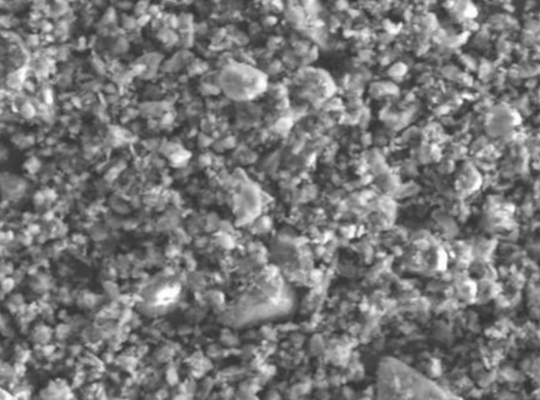
Clay calcination eliminates structural hydroxyls, producing metakaolin with high reactivity, strength, and application in cement, ceramics, and pozzolans.Versatile refractory materials offering strength, durability, and thermal resistance.
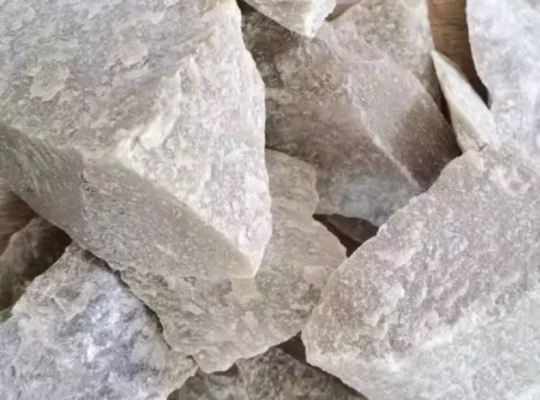
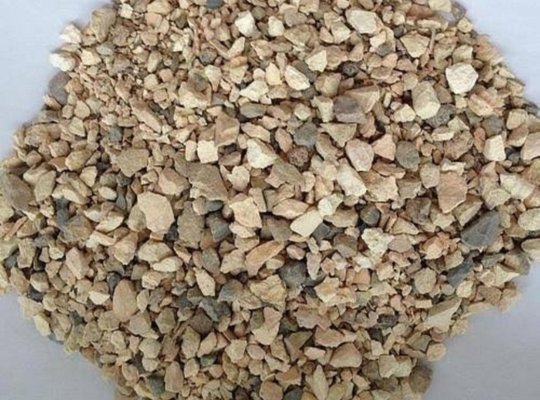
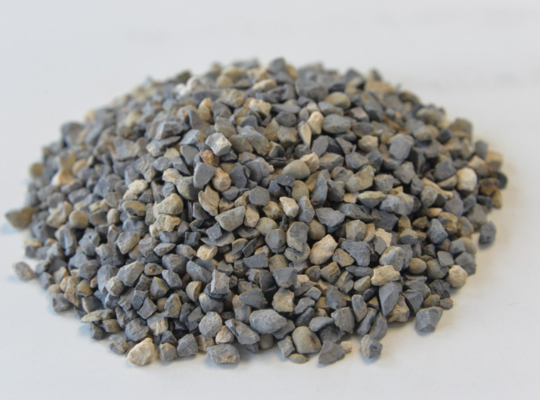
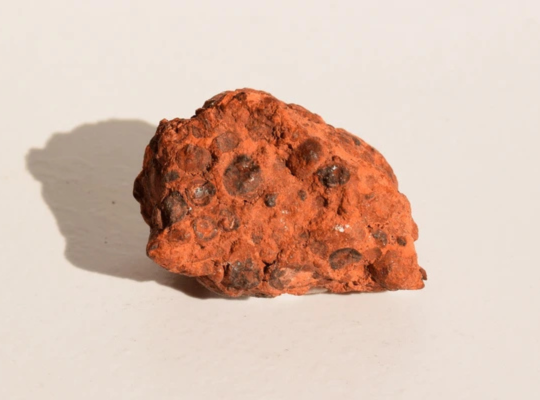
Raw material calcination is a thermal treatment process carried out at controlled high temperatures to bring about physical and chemical transformations in minerals. During calcination, chemically bound water, carbon dioxide, and volatile impurities are removed, leading to improved stability, higher purity, and enhanced performance of raw materials. It is widely applied to minerals like bauxite, clay, dolomite, pyrophyllite, and diaspore, where phase changes create refractory, insulating, or high-strength materials. Calcination enhances alumina content, forms mullite, and develops heat-resistant crystalline phases, making it an essential step in producing refractories, ceramics, abrasives, steelmaking fluxes, and advanced industrial applications.